
How to Handle Intellectual Property Disputes Effectively


Understanding Intellectual Property Disputes
Intellectual property (IP) disputes can arise unexpectedly and have significant impacts on businesses. Whether it's a disagreement over trademarks, copyrights, or patents, these conflicts require careful handling to protect your assets and maintain your business reputation. This guide will help you navigate these complex situations effectively.

Identify the Type of Dispute
The first step in handling an IP dispute is identifying the specific type of conflict. Is it a trademark, copyright, or patent issue? Each type has its own legal framework and resolution methods. Understanding the nature of the dispute will help you determine the best course of action and who to involve in the process.
Gather Evidence
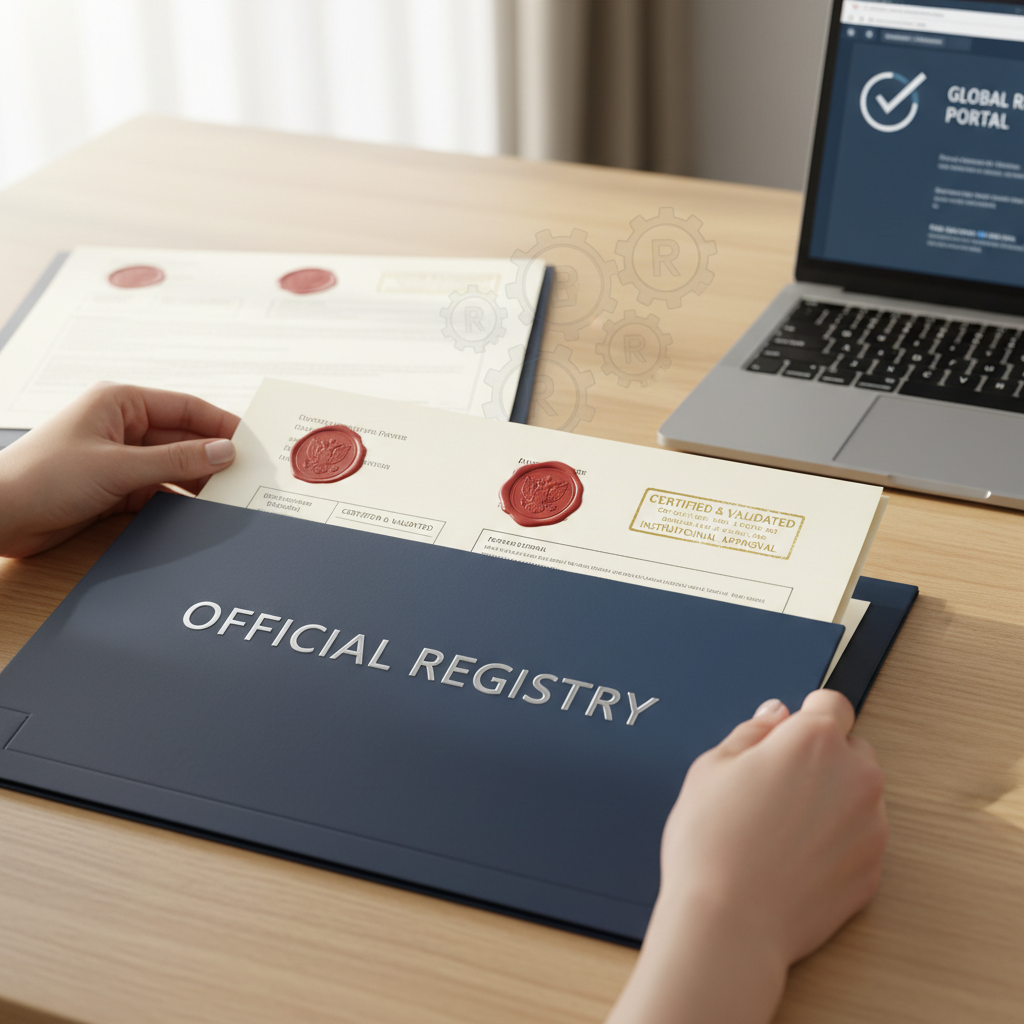
Once you have identified the type of dispute, gather all relevant evidence. This can include registration documents, correspondence, and any other materials that support your claim or defense. Having well-organized documentation will strengthen your position and provide clarity during negotiations or legal proceedings.

Consult with Legal Experts
Engaging a legal expert with experience in IP law is crucial. They can offer valuable insights and guide you through the complexities of the legal system. A lawyer can help assess the strength of your case, advise on possible outcomes, and represent you in negotiations or court, if necessary.
Explore Alternative Dispute Resolution
Before proceeding to litigation, consider alternative dispute resolution (ADR) methods such as mediation or arbitration. These approaches can be less costly, quicker, and more collaborative than going to court. ADR allows both parties to discuss their issues openly and reach a mutually agreeable solution.

Litigation: Last Resort
If ADR doesn't resolve the issue, litigation may be necessary. This is often the last resort due to its time-consuming and expensive nature. However, it may be the only way to secure a fair resolution if other methods fail. Ensure that you are well-prepared and have strong legal representation when taking this step.
Protect Your Intellectual Property
Preventing future disputes is as important as resolving current ones. Regularly review and update your IP assets and ensure they are properly registered and documented. Educate your team about IP rights and the importance of compliance. Being proactive can save time and resources in the long run.
Stay Informed
The landscape of intellectual property law is constantly evolving. Stay informed about changes in regulations and best practices to ensure your business remains compliant and protected. Subscribing to industry newsletters, attending seminars, and consulting with legal experts can keep you up-to-date.
Conclusion
Handling intellectual property disputes effectively requires a strategic approach. By understanding the nature of the dispute, gathering evidence, consulting legal experts, and considering alternative resolutions, you can navigate these challenges successfully. Always aim to protect your IP assets proactively to avoid future conflicts.