Common Misconceptions About Copyright Laws in the Netherlands


Understanding Copyright Laws
Copyright laws can often be a source of confusion, especially in different countries. In the Netherlands, there are several misconceptions that persist about what copyright entails and how it is enforced. Understanding these laws is crucial for creators and users alike.
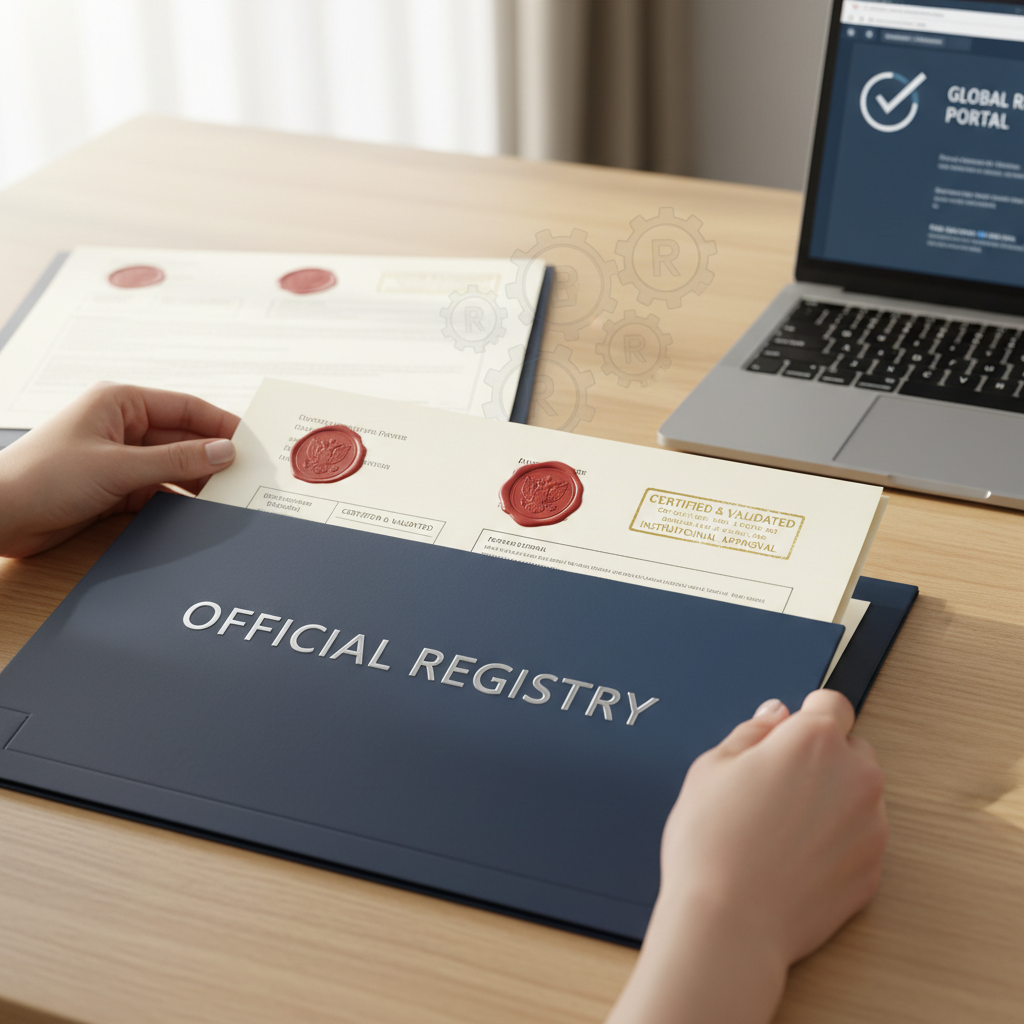
A common misunderstanding is that copyright registration is necessary to protect a work. In fact, copyright protection is automatically granted to the creator as soon as the work is created and fixed in a tangible form. This means that as soon as you write a song, draw a picture, or compose a text, you have the exclusive rights to that work.

The Scope of Copyright
Another misconception is that copyright covers ideas. However, copyright does not protect ideas, concepts, or methods. It only protects the specific expression of those ideas, such as a written story or a recorded song. This distinction is crucial for ensuring creative freedom and innovation.
Additionally, some people believe that minor alterations to a work remove copyright protection. This is not the case. Even if a work is changed slightly, it may still infringe on the original copyright if the altered work is substantially similar to the original.

Public Domain and Fair Use
Many individuals think that if a work is publicly accessible, it is in the public domain and free to use. This is incorrect. Public domain status is earned either through the expiration of copyright or if the creator voluntarily places the work there. Simply being available online does not mean a work is free to use without permission.
Fair use is another area filled with misconceptions. In the Netherlands, the concept of fair use is more restrictive compared to countries like the United States. Exceptions exist, such as for parody or educational purposes, but these are limited and specific.

Duration of Copyright
There is also confusion about how long copyright lasts. In the Netherlands, copyright generally lasts for 70 years after the death of the creator. This duration ensures that creators and their heirs can benefit from their work for a considerable time.
It's essential to understand that different types of works might have different rules regarding the duration of copyright. For example, copyright for anonymous works or works made for hire may have different terms.
Enforcement and Infringement
Finally, many people underestimate the seriousness of copyright infringement. Using copyrighted material without permission can lead to significant legal consequences, including fines and orders to cease distribution of the infringing material.
Creators should actively monitor the use of their works to ensure their rights are not being violated, and users should always seek permission or ensure their use falls under specific exceptions before using copyrighted material.
Understanding these common misconceptions about copyright laws in the Netherlands can help both creators and consumers navigate the complex world of intellectual property, ensuring that creativity continues to flourish while respecting the rights of all parties involved.